
French drains for wet basements across Indiana
When we say French drain, we mean the drain inside your basement. We cut the concrete floor along the wall and put a drain in right where the wall meets the floor, so water gets caught there instead of spreading across the basement.
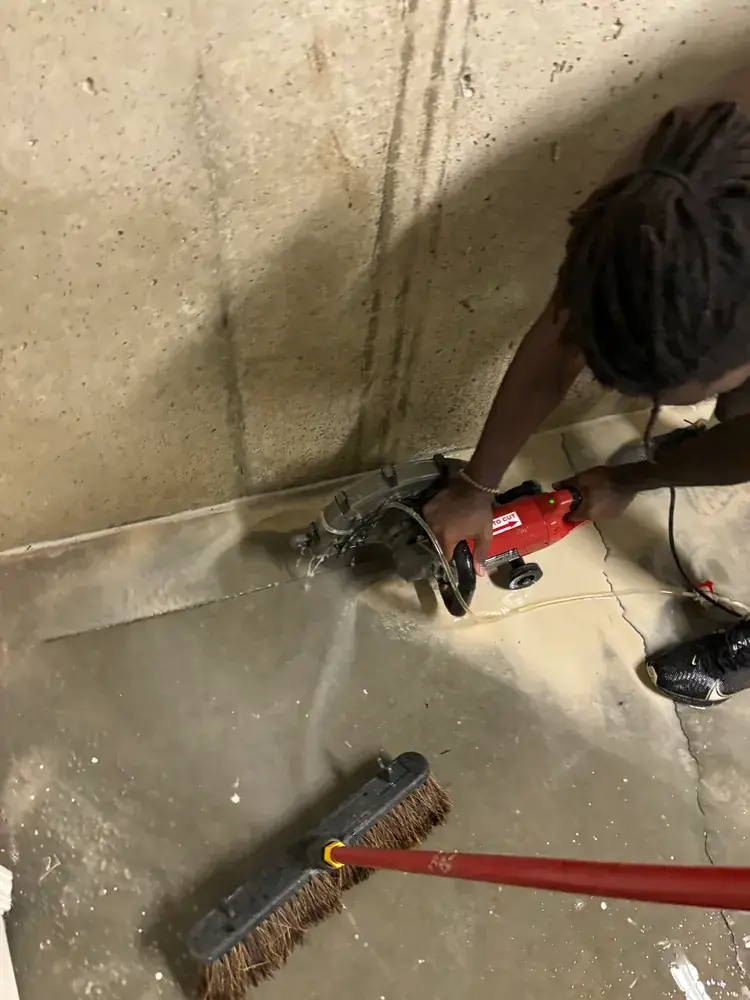
A French drain, the way we build it, is a drain along the inside of your basement walls. We cut the concrete floor along the wall, open up the edge, and set drain track in where the wall meets the floor.
Water in a basement usually shows up at the edge first, along the bottom of the wall. The drain catches it right there and carries it to the sump pump, instead of letting it spread across the floor.
Anthony will often suggest a foundation swale before a basement French drain. A swale stops the water before it gets to the foundation and overwhelms it. The French drain handles what still gets in.
Not sure whether you need this or a yard drain? Here is the difference between a French drain and a trench drain, and why Anthony often starts with a swale outside.
Signs you need this
What tells you water is getting in at the walls
- Water shows up along the bottom of the basement walls after a rain.
- A wet line creeps across the floor from the edge of the room.
- Block walls stay damp, stained or chalky near the floor.
- The basement smells musty even when you cannot see water.
- It comes back every time there is a heavy rain.
How we do it
Cut in along the wall, by hand
-
Look at the basement and the outside
We find where the water is coming in and check the outside too, since fixing a downspout or adding a swale can take a lot of water off the wall.
-
Cut the floor along the wall
We saw-cut the concrete floor in a strip along the wall, only as far out as the drain needs.
-
Dig out the edge by hand
The concrete and soil along the wall come out by hand, so the drain can sit where the wall meets the floor.
-
Set the drain along the wall
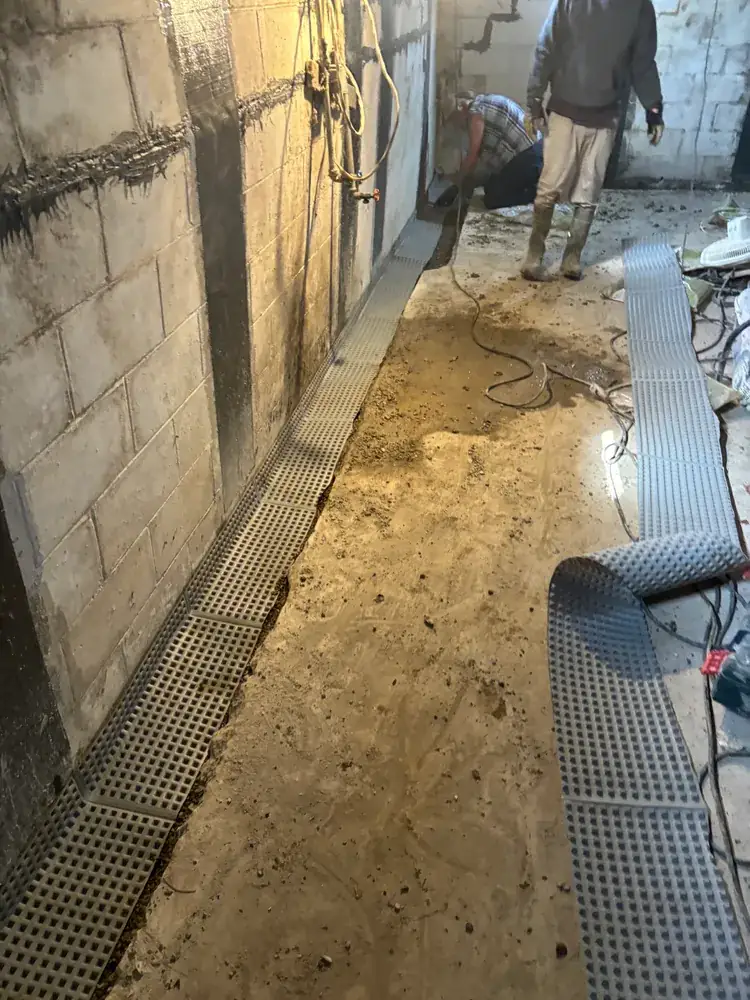
Drain track goes in along the base of the wall to catch water where it comes in.
-
Run it to the sump pump
A basement French drain always runs to the sump pump, so the water gets pumped out instead of sitting in the basement.
-
Clean up
The work area is cleaned up before we leave.
Recent work
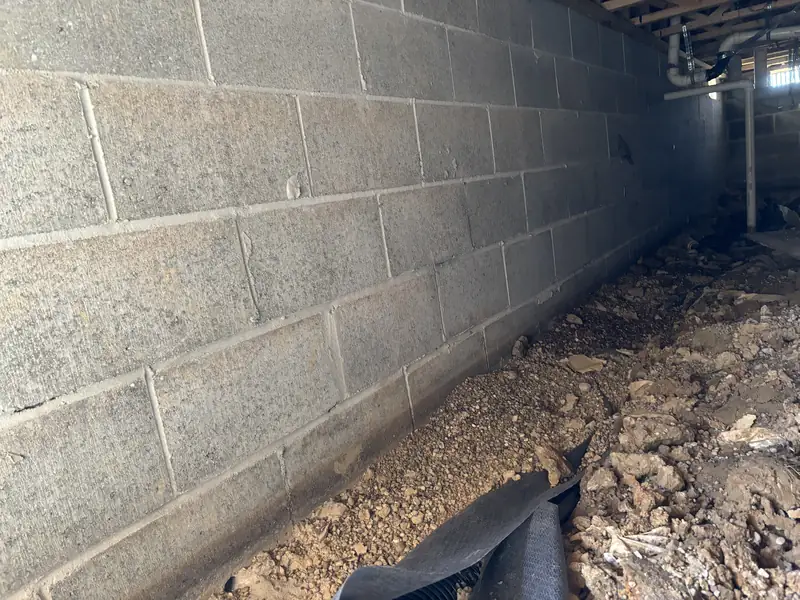
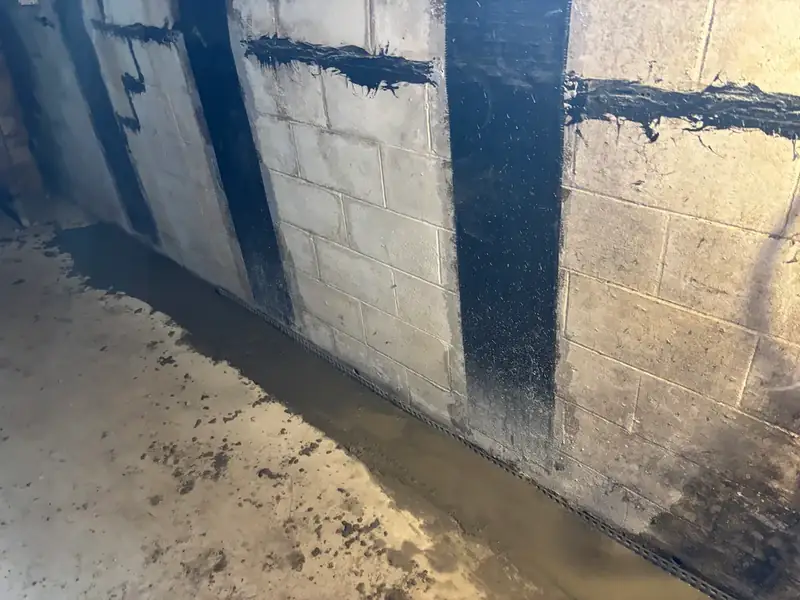
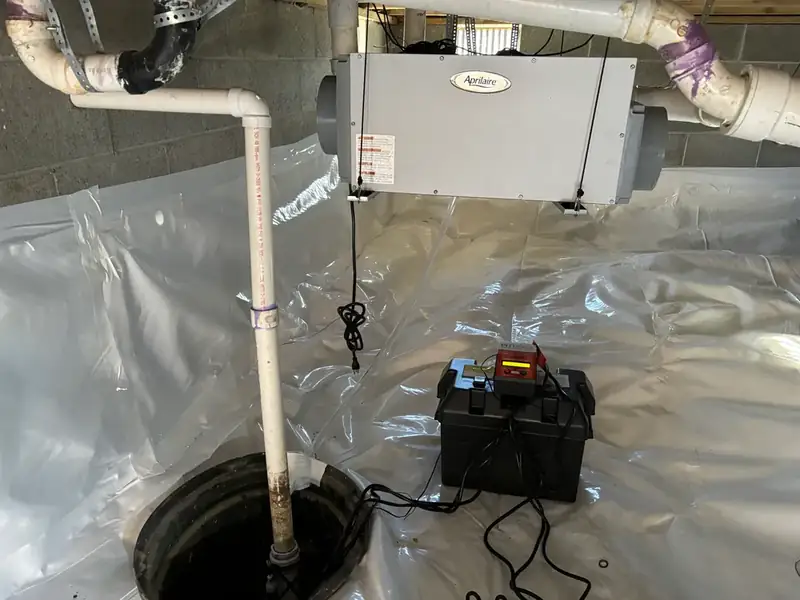
French drains we have put in
What it costs
What moves the number
One wall is a smaller job than the whole basement. What is along the walls and whether there is already a sump pit decide the rest.
The things that actually move the price:
- How many walls need it. One wall where the water comes in is a different job from the whole basement.
- What is along the walls. Finished walls, stairs, a furnace or shelving all take time to work around.
- Whether there is a sump pit already. If there is no pit yet, one has to go in for the drain to empty into.
- What the outside needs. Sometimes downspout or swale work outside is part of the same fix.
You get one fixed number for a defined scope after the on-site visit. Half holds the date, the balance is due when you have walked the finished job. We do not offer financing.
Often quoted alongside this
What homeowners say
French drain questions
Answers before you call
A drain along the inside of your basement walls. We cut the floor along the wall and set drain track in where the wall meets the floor, so water gets caught at the edge.
No. We cut a strip along the wall, only as wide as the drain needs. The rest of the floor stays as it is.
Always to the sump pump, which sends it out of the house.
Often, yes. Anthony will usually suggest a foundation swale first, to keep the water from reaching the foundation at all. Sometimes that is all it takes. We will tell you on the visit.
Yes. If the water only comes in along one wall, the drain can go along that wall.
No. We cut the floor with a saw and dig the edge out by hand.
Where to next?
Free estimate
Let us find where the water is getting in.
Send the form and we will reply within about 30 minutes during business hours. The visit and the written quote are free.
- Cut in along the wall, dug out by hand
- Always run to the sump pump
- Fixed written price for a defined scope
- Serving all of Indiana from Kokomo and Bloomington